Skip to content
BellEwart Lock ServicesOpen 24/7 (249) 315-0368
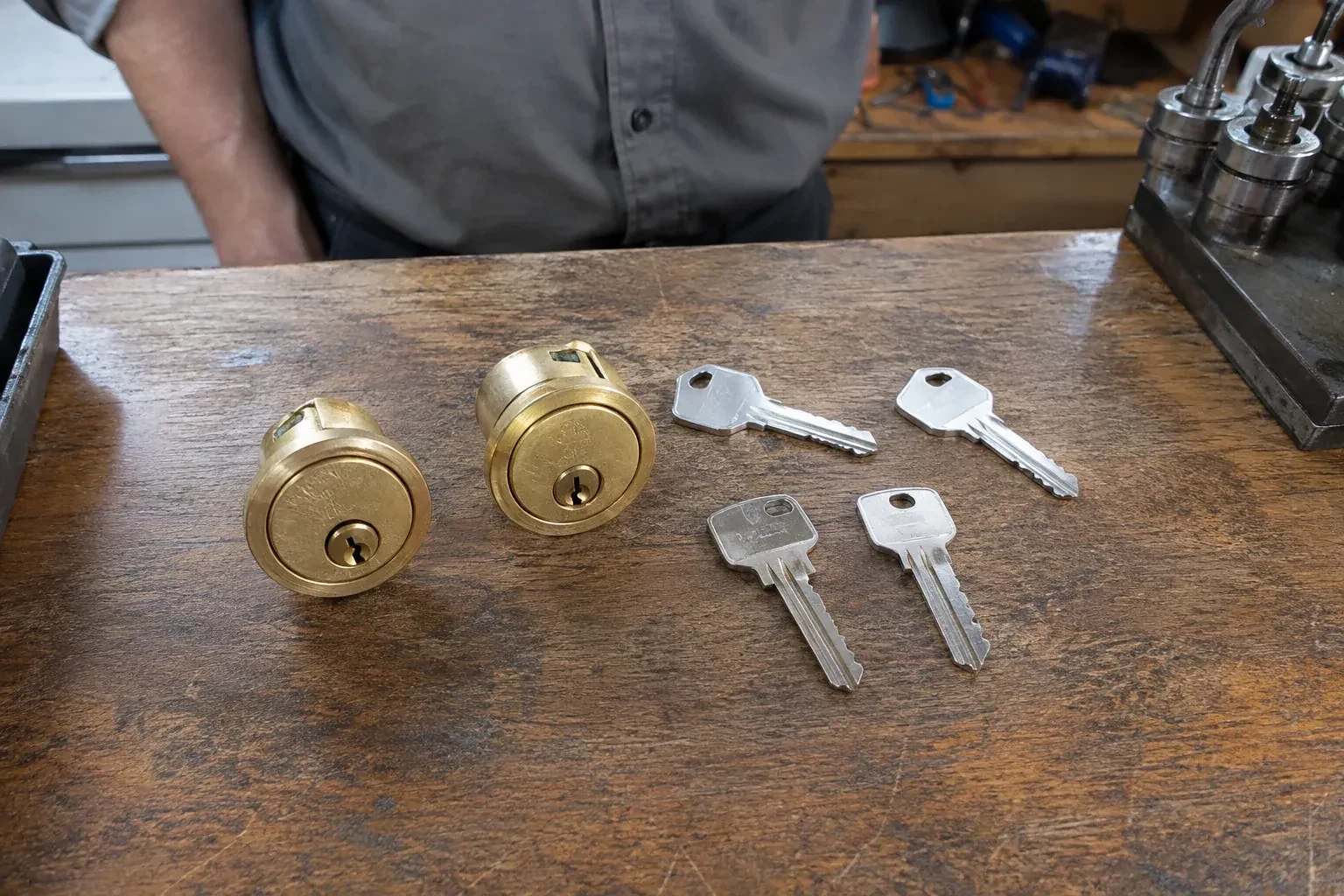
Two detached brass lock cylinders and four house keys on a wooden counter. — Lock Rekeying, De Grassi Point

Change or rekey · De Grassi Point

Lock Rekeying

Your roommate moved out last weekend. Rent is settled, the room is empty, and the key is still on their ring.

In plain words

For landlords and tenants, rekeying is the tidy way to handle a change of occupancy. A departing tenant may have copied a key or simply forgotten to return one, and a fresh pinning means the incoming tenant is the only person holding a working key. Tenancy rules in this province expect a landlord who changes locks to give the tenant a replacement key and a tenant to have the landlord's consent before changing them, so a locksmith asks who is requesting the work and makes sure both sides end up with a key. A small record of the doors and key count keeps everyone clear.

Sound familiar?De Grassi Point

The call
Your basement tenant has given notice, and a new one arrives on the first. The lock on the separate entrance works perfectly well. You simply want a fresh key for the incoming tenant and for the old one to be retired.
NextHow the visit goes

Lock Rekeying · De Grassi Point

How the visit goes

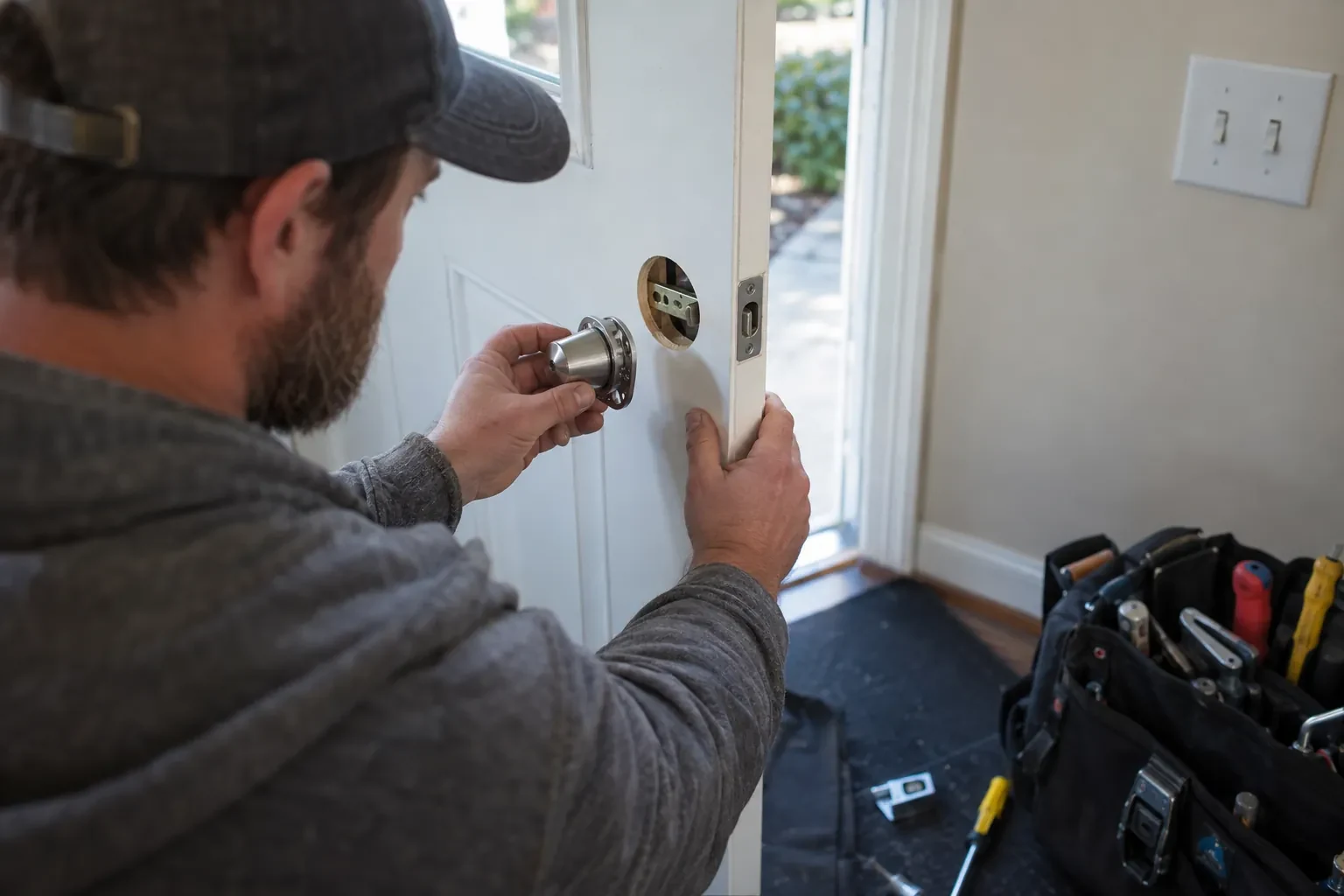
Illustrative locksmith scene — De Grassi Point
  1. Scene 1

    Who is entitled to change the locks

    Rekeying decides who can enter a home, so the first check is about the person asking. A homeowner shows photo identification and something tying them to the property, such as a tax bill, a closing document or a utility statement. A property manager brings authorization from the owner. A tenant is asked whether the landlord has agreed to the change and will receive a copy of the new key, because tenancy rules here expect both sides to hold one. Where a unit is in a condominium, the locksmith asks whether the building has a rule about suite-door locks. None of this is an obstacle; it is the part of the job that protects the home being worked on.

  2. Scene 2

    Sliding the plug and changing the pins

    With the cylinder in hand, the locksmith removes the cam or tailpiece from the back, inserts the existing key and turns the plug slightly so the top pins clear, then pushes a plug follower in behind the plug as it slides out. The follower holds the top pins and springs in the housing so nothing springs loose. The plug now sits on the bench with its row of bottom pins exposed, and those pins are tipped out. This is the heart of rekeying a pin-tumbler cylinder: the pins that decided which key worked are gone, and the plug is ready to receive a set that matches a key nobody has ever carried.

  3. Scene 3

    Knowing when to rekey again

    Rekeying is not a once-in-a-lifetime event; it is a habit tied to changes in who holds keys. The moments to think about it are the same ones that brought you here: a move, a tenant or roommate change, a key lost with anything identifying the address, a contractor who has finished, or a relationship that has ended. Between those events there is nothing to schedule. Because the house is now on a known system with a record, a later rekey is a shorter visit, and any new lock you add along the way can be pinned to the existing key so the household never drifts back to a ring full of mismatched keys.

In the van

  • Graded bottom pin kit
  • Pinning tweezers and tray
  • Key tags and keying record
  • Plug follower
  • Cylinder shim

What shapes the quoteBell Ewart Lock Services

Records, tags and labelled key sets
A homeowner needs a short note. A property manager may want a keying chart, tagged sets for each suite and a key-issuance log, which is more office work and is quoted as such.
Number of keys cut
Keys are cut and tested individually, so the total depends on how many the household or the tenants need. Say the number when you book and the quote reflects it from the start.
Access to each door being rekeyed
A rekeying visit goes smoothly when every door is reachable without delay: an empty unit, a cleared hallway, or someone available to let the locksmith into each room. Locked common areas, tenants who are out, or furniture blocking a cylinder all add time the locksmith accounts for on site.

FeesSame any hour

Have it ready

Before you call · 0 / 3

(249) 315-0368

Ask us anything about locks

How many new keys will I get, and can I get more later?

As many as you ask for, cut on site from the fresh pinning and tested in each door they should open; two or three is typical for a household. More can be cut later. When you do, bring one of the locksmith's originals to be copied rather than a copy of a copy, since every generation strays slightly from the intended depths. If any key is a restricted type, additional copies come from the record kept for that system rather than from a hardware store.

How long does a rekeying visit take?

It scales with the number of cylinders and how many need attention beyond pinning. A single deadbolt is a short bench job; a whole house with five or six exterior cylinders, a couple of swaps for mismatched keyways and a set of spares to cut and test takes a good deal longer. Tell the locksmith how many doors you want included when you book, and the visit can be planned realistically rather than guessed at.

Do the old keys really stop working?

Yes, at every cylinder that was rekeyed. Once the bottom pins are changed, a key cut to the old combination lifts them to the wrong heights and the plug will not turn. The locksmith proves this at each door by trying the old key after the new one, because any door missed from the list would still answer to the old key. That is also why the walk around the property at the start matters: every door meant to be included has to be on the list.

De Grassi Pointinformation

SimcoeOntario

Town
De Grassi Point, Simcoe
In business
24 years
Hours
Open 24/7
Nights, weekends and holidays, same fees
Visits
On-site assessment preferred. Request a visit or call.

2021 census: what it means at the door

Every square is one home in a hundred.

  • 35 in 100 homes · mixed ages
  • About 35% of homes in Innisfil were built in 1980 or earlier, according to the 2021 Census.Homes of different generations tend to have different key habits. Older houses may have keys copied many times; newer ones may still have contractor keys about. A locksmith in a mixed area asks about both before recommending anything.
  • Single-detached houses make up about 90% of homes in Innisfil (2021 Census).Detached homes are exposed to weather on every side, so exterior locks see rain, salt and freezing air directly. Choosing hardware with a good finish and a cylinder that tolerates cold, then lubricating it properly, keeps every door turning through winter.

Source: Statistics Canada, Census Profile

Open De Grassi Point in Google Maps

On-site assessment

Request a visit.

Your roommate moved out last weekend.

(249) 315-0368, open 24/7.